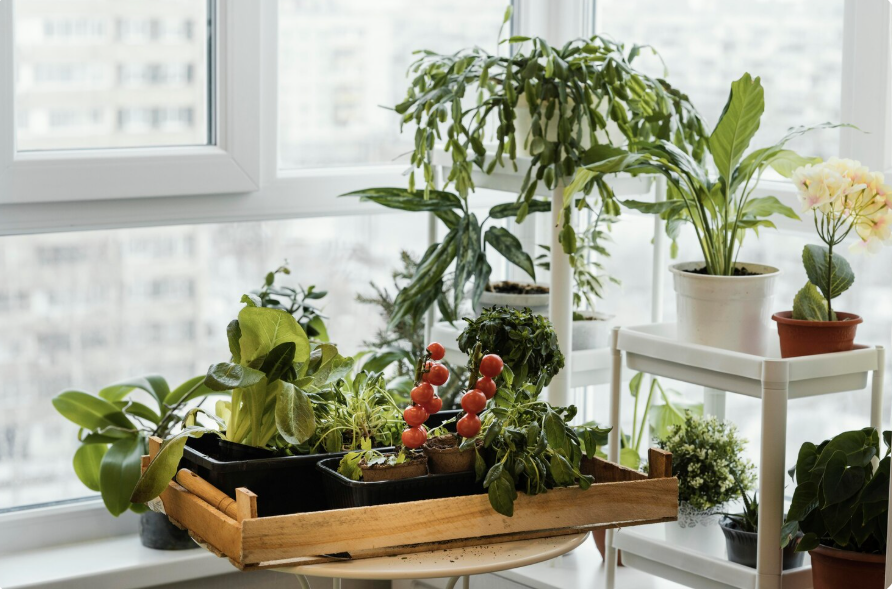
Bringing plants into your home is exciting. One small pot on a windowsill can make a room feel brighter and more welcoming. The trouble starts when enthusiasm races ahead of experience. Many beginners think healthy plants need constant attention, expensive tools, or secret gardening skills.
They really don’t. Most indoor gardening problems come from a few simple mistakes that are easy to avoid. With a little patience and a steady routine, almost anyone can grow happy, healthy plants indoors.
Starting Too Fast
It is tempting to walk into a garden center and leave with a cart full of plants. Everything looks beautiful, and suddenly your living room starts looking like a rainforest. A week later, remembering which plant likes what can feel like preparing for a science quiz you forgot about.
Instead, begin with two or three easy plants that match your home. Learn how they respond to light and water before adding more. As your confidence grows, you can slowly expand your collection.
Watering Wisely
Watering seems simple, yet it causes more problems than almost anything else. Many people water on a fixed schedule instead of checking whether the plant actually needs it. Wet soil can lead to unhappy roots, while dry soil can leave plants drooping and tired.
Before reaching for the watering can, press your finger into the top inch of soil. If it still feels damp, wait another day or two. Remember that different plants have different needs. A cactus and a fern will never agree on a watering schedule, and that’s perfectly normal.
Use Indoor Led Grow Lamps for Extra Growth
Some homes simply do not receive enough sunlight for indoor plants to thrive. Apartments with small windows, rooms that face north, or cloudy winter months can all reduce the amount of light available. In these situations, indoor led grow lamps can provide extra light that supports healthier plant growth.
These lamps are useful for people who want to grow plants in spaces where natural light is limited. They help create a better growing environment without requiring major changes to your home. They work best when combined with good plant care.
Picking Better Pots
A pretty pot may catch your eye, but looks are not everything. Pots without drainage holes can trap water, making it harder for roots to stay healthy. Choosing the right container gives excess water somewhere to go and helps prevent common problems.
Good potting soil also matters because it allows air and water to move around the roots. Avoid squeezing a tiny plant into a pot that is far too small for long periods. Giving roots enough room to grow helps plants become stronger and healthier over time.
Small Habits Matter
Healthy plants usually come from small, regular habits rather than big efforts once a month. Take a few minutes each week to look at the leaves, remove any dead growth, and turn the pot so every side gets a chance to face the light. These tiny jobs are quick but surprisingly helpful.
Most importantly, be patient. Plants grow at their own pace, and they sometimes need time to settle into a new home. Keep learning from each plant, make small adjustments when needed, and enjoy the process.