
AC and HVAC are important systems in any home. AC stands for air conditioning, which only cools and dries the air. HVAC, on the other hand, is a complete heating, ventilation, and air conditioning system that manages the indoor climate throughout year-round temperature changes.
An AC unit can be a part of an HVAC system, but an AC doesn’t provide heat on its own.
If you’re planning to get them installed in your home, here’s what you should expect for each. Let’s get started.
What’s Included in HVAC Installation
During HVAC installation, a contractor will start with sizing the system. They’ll remove the old equipment, cover refrigerant lines, and then place the new indoor and outdoor units in suitable locations.
But what’s included in the indoor and outdoor units?
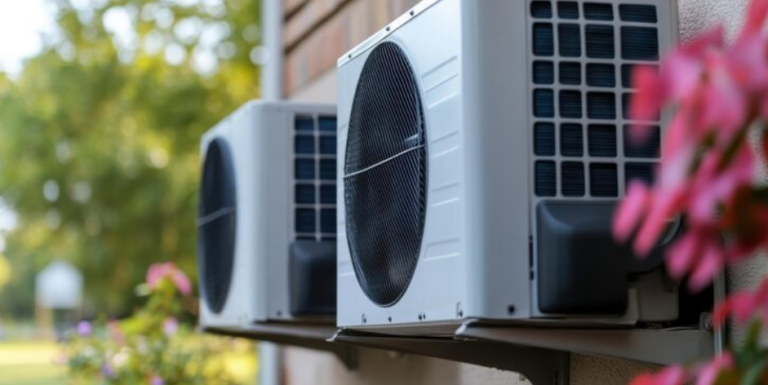
An indoor unit can contain an air handler, an evaporator coil, and an air filter. And the outdoor unit has a condenser or heat pump compressor. These are both connected with electrical whips and condensate drain lines.
The contractor will perform sizing and testing to calculate the proper unit capacity. They’ll also safely recover and dispose of old refrigerant before installing the new unit.
What’s Included in Air Conditioning Installation
Air conditioning installation is less complex than the above because of the simple components involved. The contractor will first check room dimensions and pick optimal locations for airflow. They’ll then fasten the indoor evaporator bracket along with the outdoor condenser pad.
A 3-inch sloped hole is drilled for piping, wiring, and even drainage. The units are then linked with insulated copper tubing and control cables.
The contractor will remove trapped air and moisture from the copper lines to protect the compressor.
Here, it’s important to keep in mind that certain services will cost you extra. For example, heavy-duty steel brackets for exterior walls or upgrading circuit breakers are usually extra.
Which One You Actually Need
Now, which one do you actually need to make your indoor truly energy efficient?
If you want to cool a space, you just need a standalone air conditioner. It will cool specific rooms or a single zone. It’s ideal for mild winter regions or spaces that have separate heating sources.
The HVAC system has a furnace/heat pump, ducts, vents, and an AC unit. It works best if you want year-round temperature and air quality control.
If your cooling fails and isn’t generating cold air, you can go for an AC upgrade. But a full HVAC evaluation will be necessary when both your heating and cooling are failing, and your utility bills are climbing in different seasons.
How to Choose the Right Kind of Contractor
No matter which service you need, it is important to hire a reliable, experienced contractor who knows the complexities of these systems. Check their credential and licenses to see if they’re properly trained. Also ask for reviews from past clients to get a solid idea of their reputation.
Checking workers’ compensation and liability insurance is crucial to protect yourself in case of an injury at work.