Whether it is a residential or a commercial building, temperature control plays an important role in its comfort, energy use, and overall performance. Without proper temperature management, a building can experience uneven indoor conditions, which results in unnecessary energy consumption.
This is why understanding why temperature control is important for any building is necessary, and this is what we’ll discuss in this blog.
Maintain Comfortable Indoor Temperatures
Beyond the temperature you see on the thermostat, there are other factors that affect indoor comfort. Airflow, humidity, and sunlight influence how a space feels. Areas that have large windows or limited insulation can become warmer quickly. On the other hand, places with poor heat retention can become colder quickly.
To deal with this uneven temperature, you need to maintain proper heating and cooling systems. Keep the vents clear and ensure there’s proper airflow inside the building. These steps can help you create a more consistent indoor temperature.
Keep Heating and Cooling Systems in Good Condition
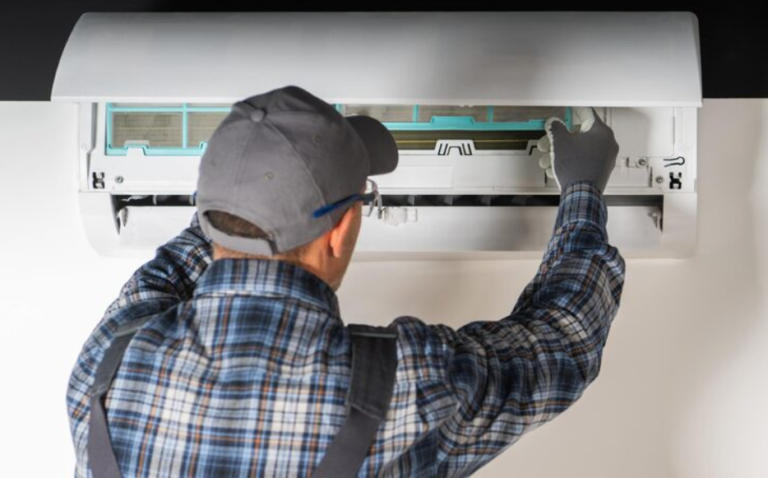
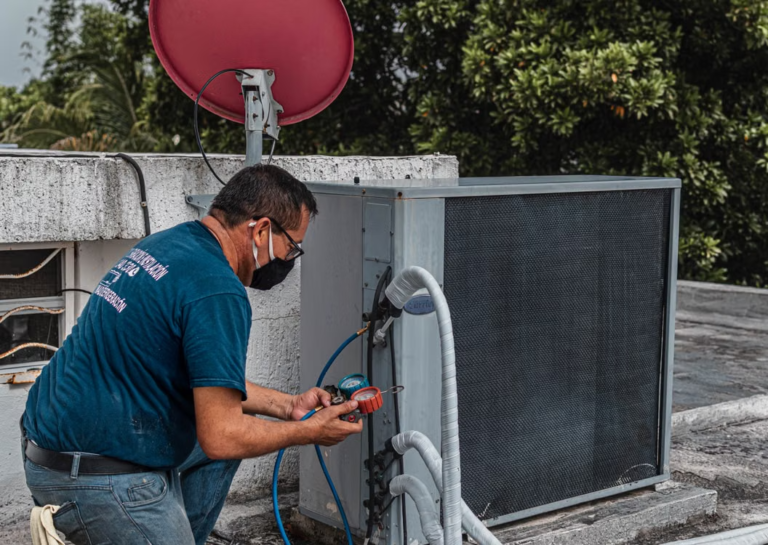
You need to make sure that heating and cooling systems in your building are in good condition for them to operate efficiently. Dirty filters, faulty components, and blocked outdoor units can reduce performance and increase energy consumption.
This is why you need professional air conditioner repair. It can help you identify weak airflow and other issues and fix whatever the root cause is. Moreover, ensure regular inspections, particularly before periods of heavy use, so that the systems work properly during use.
Consider Insulated Metal Panel Systems
The most important parts of the house include walls and roofs. They improve a building’s thermal performance and require insulated metal panels. They are used in different building applications where durability and efficient construction are important.
Insulated metal panel installation can reduce heat transfer. However, their performance depends on many factors, like panel joints, insulation thickness, and air leakage. Proper installation is necessary because gaps reduce the benefits of insulation. To see whether this option is suitable for you, consult a professional.
Reduce Heat Transfer Through Building Materials
Building materials influence how quickly the heat moves between indoor and outdoor environments. Walls, roofs, and doors should be properly insulated. If they are not, heating and cooling systems will have to work harder to maintain suitable indoor conditions.
The right insulation type and thickness depend on climate, building design, and building materials already in place. To further reduce unwanted air movement, seal the gaps around windows, doors, and other openings. Also, make sure to choose the right materials during construction or renovation to improve thermal performance.
Improve Energy Efficiency and Control Costs
Temperature management affects how much energy a building uses. When heat escapes during cold weather or enters during warm weather, heating and cooling systems must run longer to compensate. This can increase energy bills and place additional stress on mechanical systems.
To improve energy efficiency and control costs, you need to improve insulation, reduce air leakage, and maintain cooling and heating systems. Moreover, use a programmable thermostat, as it adjusts indoor temperatures according to your schedule. Combine all the suitable improvements for better results rather than relying on a single measure.