Replacing your home windows is a significant investment that directly impacts your property’s comfort, security, and energy efficiency.
With a vast array of materials, styles, and technologies available today, the decision-making process can seem overwhelming.
However, by carefully evaluating your specific requirements and understanding the long-term benefits of various options, you can make a choice that enhances your living space for years to come.
This guide breaks down the essential factors you should keep in mind to ensure you select the best windows for your unique home environment.
Selecting Professional Window Installation Services for Longevity
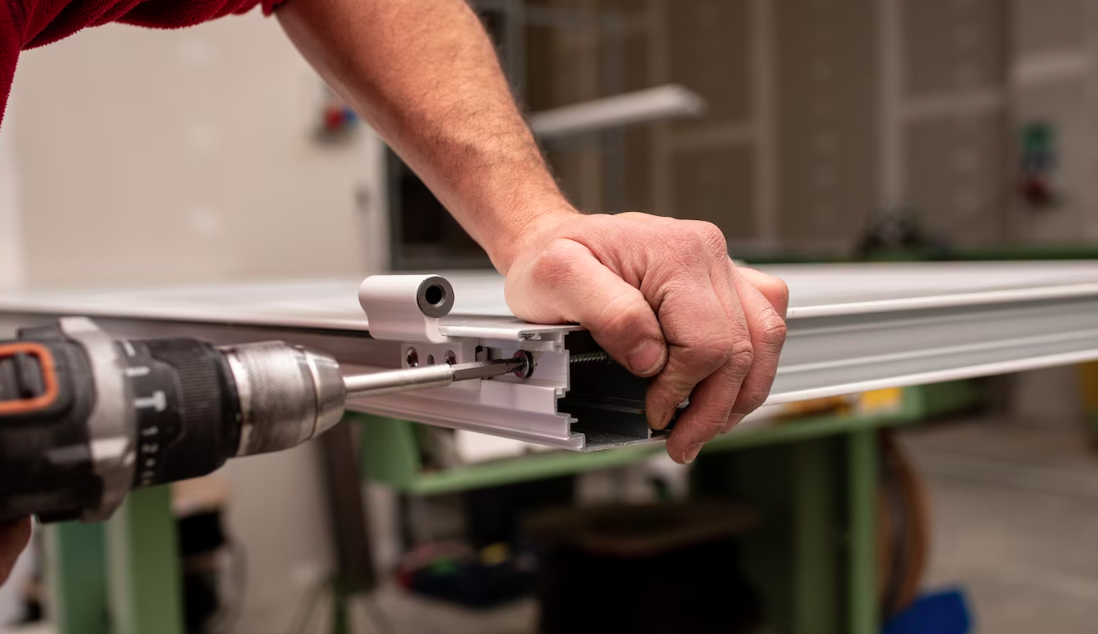
The best window is only as effective as the way it is installed. Poor fitment often leads to air leaks, moisture intrusion, and compromised structural integrity. When you hire reputable window installation services, you ensure that your investment is protected by expert precision.
Professionals understand how to properly seal gaps, insulate frames, and ensure that the units operate smoothly within your existing walls.
By choosing a team that follows rigorous installation standards, you mitigate the risk of future repairs and ensure that your home remains well-insulated and secure regardless of the changing seasons.
Planning a Smooth and Successful Window Replacement
Initiating a full-scale window replacement project requires a clear understanding of your goals. Whether you are replacing old, drafty units to lower energy costs or simply updating your home’s exterior aesthetic, the planning phase is crucial.
Consider the architectural style of your home and how new units will affect its resale value. A successful project involves choosing high-quality materials that stand the test of time, such as durable vinyl, wood, or fiberglass.
By prioritizing a well-planned transition, you can upgrade your home’s functionality without disrupting your daily routine or incurring unnecessary costs.
Analyzing Thermal Performance and Energy Efficiency
One of the most compelling reasons to upgrade is to improve thermal efficiency. Look for windows with advanced features like double or triple-pane glass, low-emissivity (Low-E) coatings, and gas fills that minimize heat transfer.
High-performance units act as a barrier, keeping your interior cool in the summer and warm in the winter. Before purchasing, examine the energy performance ratings for each product to understand how it will impact your monthly utility bills.
A higher upfront investment in energy-efficient glass often pays for itself through substantial long-term savings.
Material Durability and Maintenance Requirements
Different frame materials offer varying levels of durability and require different amounts of maintenance. Wood provides a classic, warm aesthetic but requires periodic painting or staining to prevent decay.
Vinyl is a popular choice for its affordability and minimal maintenance needs, while fiberglass offers exceptional strength and stability in extreme temperatures.
Assess your willingness to maintain your windows over time; choosing a material that aligns with your lifestyle will ensure that your home remains beautiful and functional without constant, labor-intensive upkeep.
Maximizing Natural Light and Home Ventilation
Windows are the primary source of natural light and fresh air for your indoor environment. When choosing your new units, consider how different styles—such as casement, double-hung, or sliding windows—affect airflow and sunlight intake in specific rooms.
A bedroom might benefit from the quiet efficiency of casement windows, while a living room may require large, fixed-pane windows to maximize views and light. Balancing functionality with design ensures that your home feels bright, airy, and inviting throughout the day.